
The Schumann Pulse field guide
Schumann resonance
& space weather, explained.
Lightning. Solar storms. A changing Moon. Explore the signals, the experiments and the people who made them understandable.
Start here
Earth has a natural resonance.
Here’s what that means.
A clear introduction to lightning, the ionosphere and the often misunderstood 7.83 Hz.
Read the guide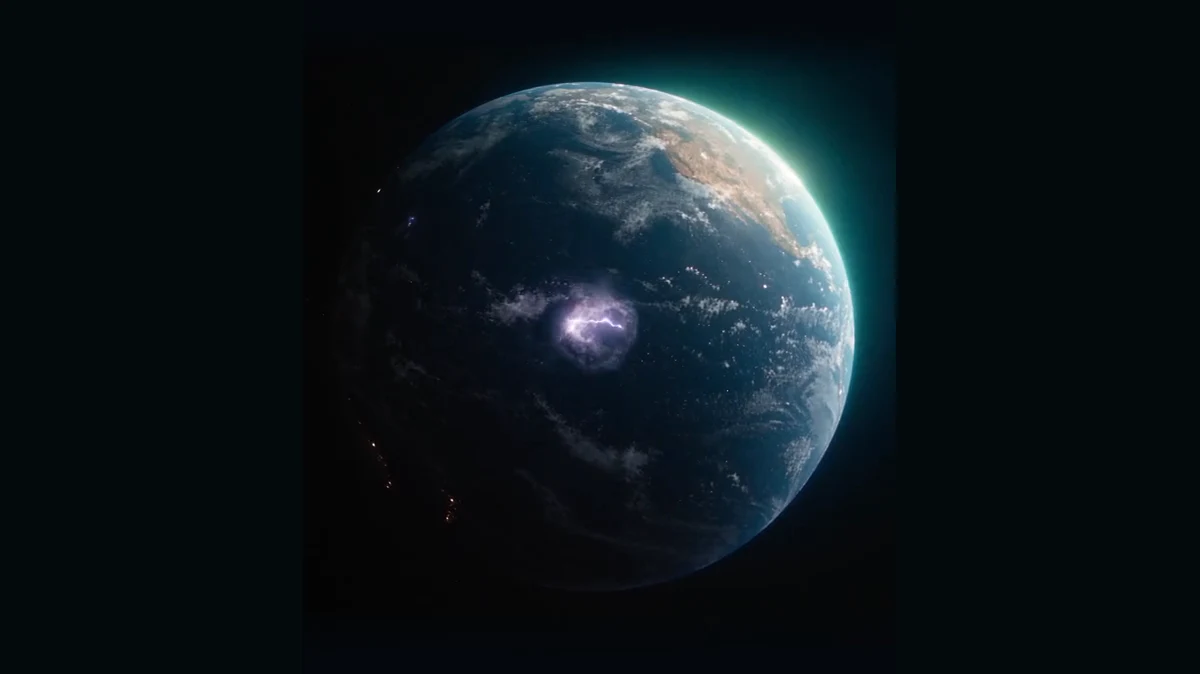
Schumann Pulse · artistic Earth illustration.
Clear explanations, primary sources and practical chart-reading guides. Our editorial approach ↗
01 / Earth
The Earth beneath the signal.
What is Schumann resonance?Understand how lightning excites Earth’s electromagnetic resonances, what 7.83 Hz means, and how to interpret the measurements.3 min Schumann resonance frequencies, explained.Learn the difference between frequency and amplitude, why the first resonance is near 7.83 Hz, and what the higher modes represent.3 min How to read a Schumann resonance chart.A practical guide to spectrogram colors, frequency bands, amplitude, timestamps, white patches and missing data.3 min Where is Schumann resonance measured?Explore a map of 21 documented ELF research locations, station coordinates and source links. Compare research records, public charts and live-data availability.7 min Schumann resonance and geomagnetic storms are different signals.Compare the causes, instruments and units behind Schumann resonance and geomagnetic storms without confusing amplitude, hertz and Kp.3 min How do scientists measure Schumann resonance?Inside an ELF station: magnetic coils, electric-field antennas, calibration, noise control and spectral analysis. Understand what happens before a chart appears.3 min
02 / Sun
Understand the Sun–Earth connection.
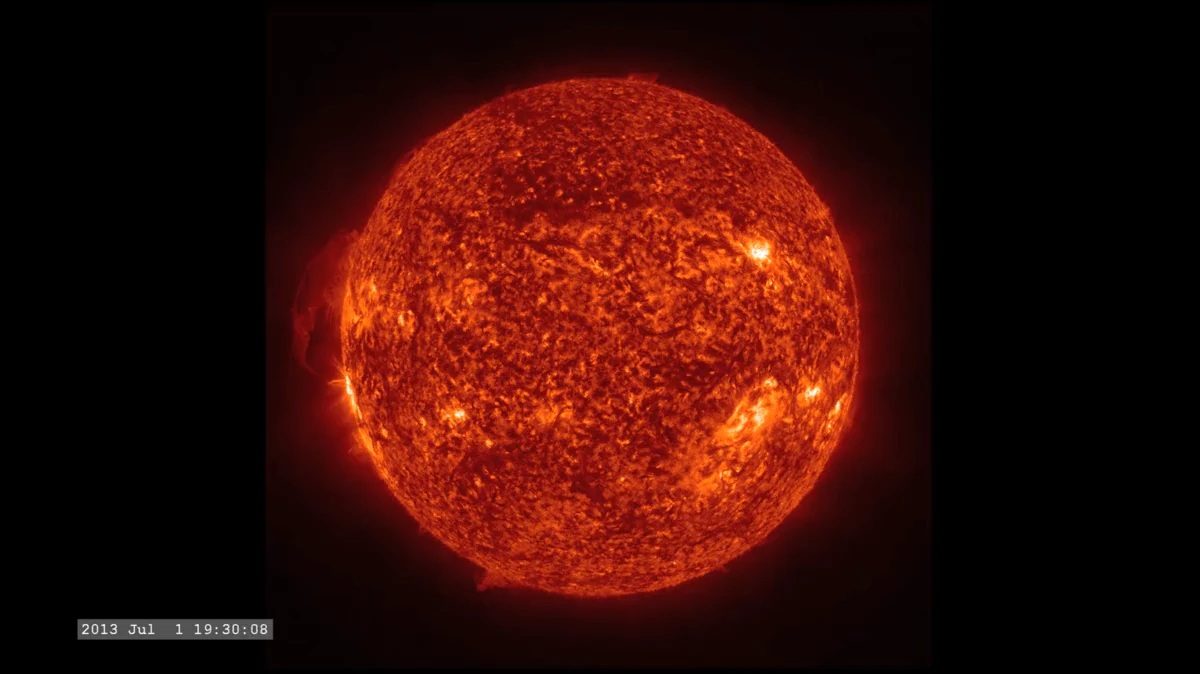
What is space weather?Explore solar wind, flares and magnetic storms, the three NOAA scales, and the observations that help us understand the Sun–Earth connection.3 min Geomagnetic storms: from G1 to G5.Understand what causes a geomagnetic storm, how NOAA’s G1–G5 scale works, and why a forecast is different from an observed storm.3 min What does the Kp index mean?Read the planetary Kp index correctly: its 0–9 scale, three-hour intervals, thirds notation, and the difference between estimates and final values.3 min Solar flares: what the letters mean.A clear guide to A, B, C, M and X solar flares, the X-ray scale, radio blackouts and the difference between a flare and a CME.3 min What is a coronal mass ejection?Understand what a CME carries, how it differs from a solar flare, and why Earth arrival and storm strength remain separate forecast questions.3 min How to read the solar wind.Learn what solar-wind speed, density, Bt and Bz describe, why southward fields matter, and why one number cannot predict a storm.3 min 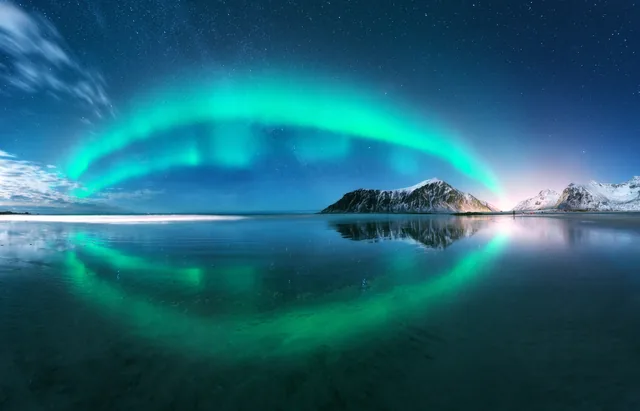 What causes the northern lights?Explore how aurora forms, why oxygen and nitrogen glow, and why Kp alone cannot guarantee a view of the northern or southern lights.3 min Space weather alerts: watch, warning or alert?Learn how to read a space-weather bulletin: forecast confidence, observed thresholds, G/R/S scales, timestamps and later revisions.3 min How do we monitor space weather?Meet the solar imagers, upstream monitors, near-Earth instruments and ground observatories behind space-weather reports.3 min What is a solar radiation storm?Understand NOAA’s S scale, energetic protons and why a radiation storm is different from a radio blackout or geomagnetic storm.3 min
 03 / People & discoveries
The people who asked what happens next.
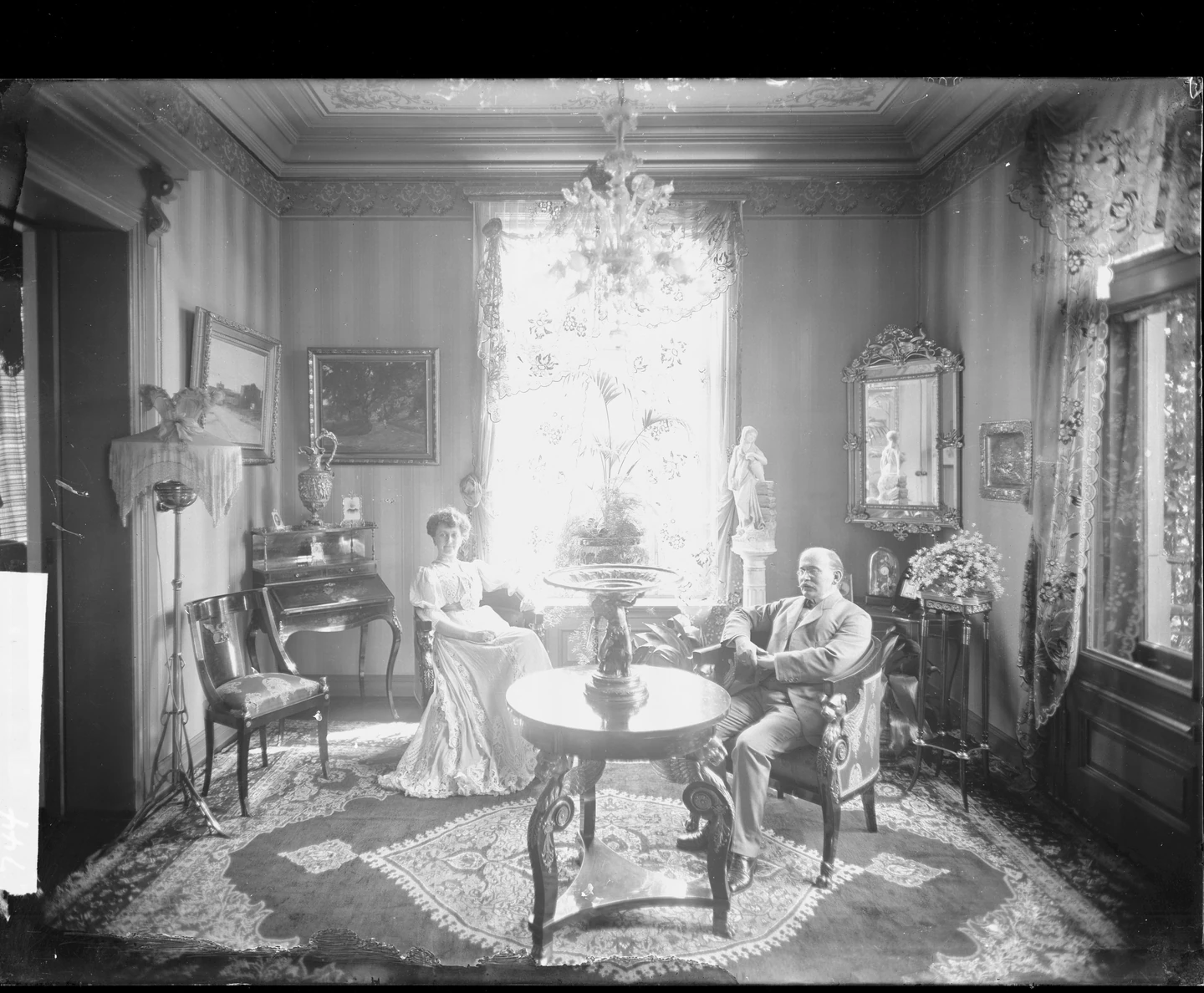 Open figure at full size ↗

Who was Winfried Otto Schumann?Winfried Otto Schumann's life, Munich laboratory and 1952 prediction, with an illustrated timeline, original paper and documented history of the later experiments.4 min How were Schumann resonances first measured?Follow Schumann, König, Balser and Wagner from a theoretical cavity to measured spectra, including the early experiment that found no resonance peaks.3 min How Heinrich Hertz demonstrated radio wavesHow Hertz used a spark transmitter and a separate receiver to test electromagnetic waves, and why his name appears in every Schumann resonance frequency.3 min Kristian Birkeland’s terrella: a little Earth in a glass chamberExplore Birkeland's terrella experiment, a verified historical photograph and the modern Planeterrella. Learn what a laboratory aurora can and cannot explain.3 min The Carrington event: five minutes on the Sun, a lasting question on EarthWhat Carrington and Hodgson observed in 1859, what the historical drawing shows, and why the flare, the geomagnetic storm and modern estimates must be separated.4 min C. T. R. Wilson: from clouds to a global electric circuitMeet the cloud-chamber pioneer who studied atmospheric electricity. Follow the global electric circuit and learn how it differs from Schumann resonance.3 min Why LIGO researchers study Schumann resonanceHow Schumann resonances can create correlated magnetic noise, why distant detectors need witness magnetometers, and what subtraction experiments actually tested.3 min Can Schumann resonances be detected from space?The 2011 C/NOFS result revealed Schumann resonance signatures 400–850 km above Earth. Discover the scientists, the electric-field measurements and the leaky cavity.3 min
04 / Moon & methods
A little perspective goes a long way.
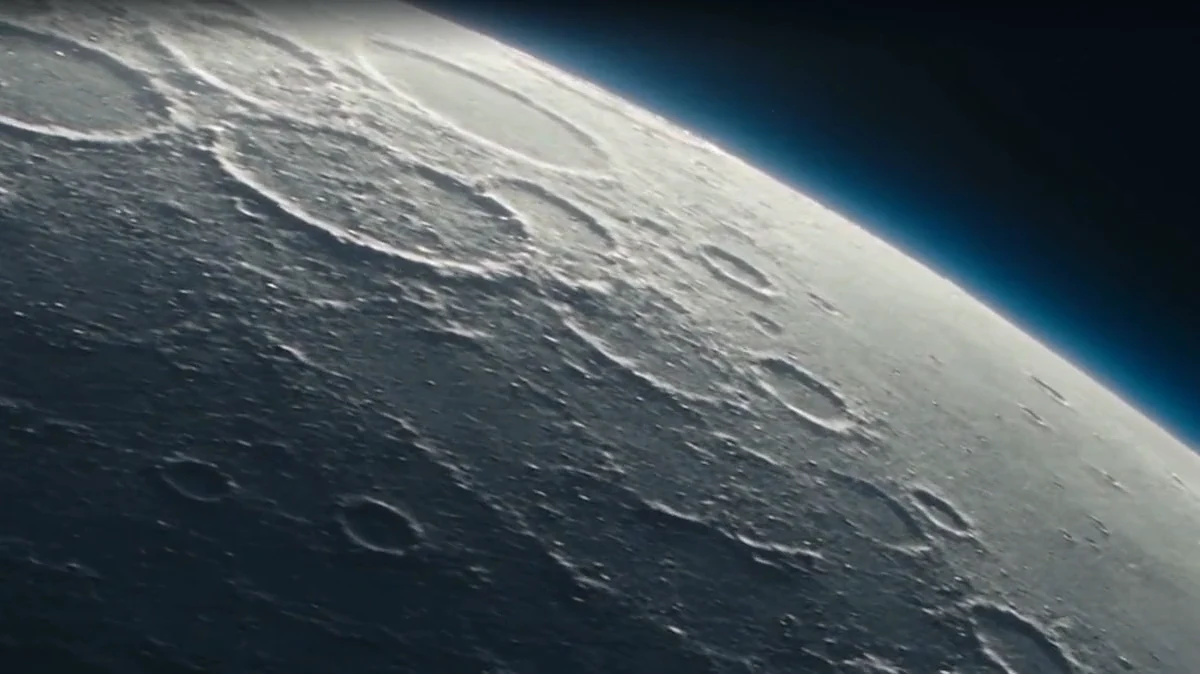
Why does the Moon change shape?Learn the eight Moon phases, the difference between waxing and waning, and why ordinary phases are not caused by Earth’s shadow.3 min A plain-language space weather glossary.Quick definitions of resonance, ionosphere, Kp, Bz, CME, solar flare and other terms, with links to deeper explanations.3 min
Looking for conditions now?
Start with the timestamp.
These are evergreen guides, not a live feed. For the latest observed and forecast conditions, use the official monitors and check their issue time.
NOAA Space Weather Prediction Center ↗GFZ planetary Kp index ↗