
The field guide · Moon
Maramataka: names for the nights of the Moon.
Maramataka refers to Māori systems of timekeeping that connect lunar nights with environmental observations. Individual nights have names, but there is no single sequence or interpretation for every iwi, hapū and place. A named night is not simply an English monthly full-Moon name.
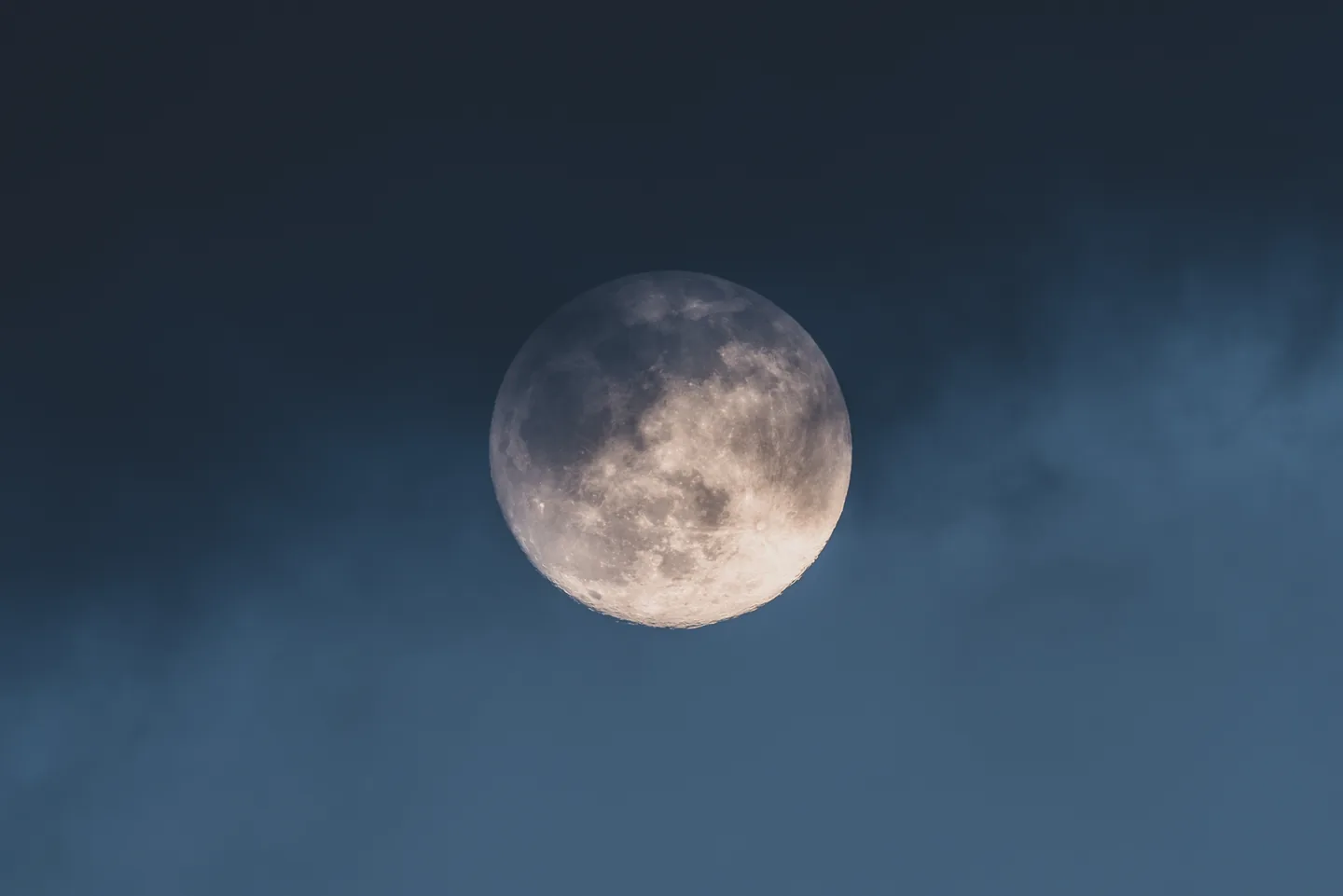
More than a row of Moon icons
Maramataka brings the lunar cycle into a relationship with observations of place. Te Papa’s introduction [1] describes named nights and customary associations with activities such as food gathering and cultivation. Its displayed calendar draws on more than one iwi tradition.
That context matters. A list copied without its community, location or purpose can look like a universal schedule even when the underlying knowledge is local. This article is a short source-based introduction, not an authoritative calendar for a community or a replacement for its knowledge holders.
Five examples from one identified tradition
The following selected names come from the sequence that Te Ara identifies as adapted from Ngāti Kahungunu [2]. They are reference points within that account, not a new blended list assembled from unrelated calendars.
Swipe or use the arrow keys to see all columns.
| Name in the Te Ara example | Place in that account |
|---|---|
| Whiro | The first night, associated with the new Moon |
| Tirea | The second night, with a very small Moon |
| Rākau-nui | A full-Moon night |
| Rākau-matohi | The following part of the sequence as the Moon begins to wane |
| Mutuwhenua | The final night |
Preserving spelling and macrons is part of identifying the names accurately. A calendar using another spelling or sequence should be checked against its own source, not automatically treated as mistaken.
Why do calendars differ?
The University of Waikato’s Science Learning Hub [3] presents maramataka as knowledge developed through close observation of environmental rhythms. A useful reading therefore asks about both the sky and the place: which community’s calendar, which local conditions, and what activity the guidance concerns.
Do not assume that a northern seasonal label can be translated by swapping in a Māori night name. “June’s full Moon” and a particular night within a local lunar sequence describe different kinds of position in time.
Is Whiro the same as Moon age zero?
Not automatically. Lunar age is an elapsed-time measurement from an astronomical instant. A named night belongs to a calendar system. Before converting between them, establish that system’s rules and date boundaries.
The same caution applies to a numbered “lunar day”. Our age, calendar-day and tithi guide explains why a number alone is incomplete.
Can I use the names to predict how I will feel?
The sources here document cultural and environmental knowledge; they do not establish a clinical forecast of an individual’s mood, sleep or symptoms. Keep that distinction when using any calendar beside a personal diary.
A respectful observation note might record the date, the named night and its source, local weather and what you actually noticed. Leave room for experience that does not match an expectation. If your question concerns lunar effects on wellbeing, read the separate Moon and mood evidence guide.
Where to go next in this field guide
For the changing illuminated shape, use Moon phases. For Wolf, Pink or Strawberry Moon, use monthly full-Moon names. For a view from another part of Earth, use hemispheres and seasons. Those distinctions let you explore the subject without flattening different calendars into one.
Sources
References in the text lead here. Original publications open in a new tab; this guide stays open.
- [1] Museum of New Zealand Te Papa Tongarewa: nights of the maramataka (opens in a new tab) Back to text ↑.
- [2] Te Ara, Paul Meredith: a named-night sequence adapted from Ngāti Kahungunu (opens in a new tab) Back to text ↑.
- [3] Science Learning Hub, University of Waikato: maramataka and environmental observation (opens in a new tab) Back to text ↑.
A little context
Maramataka
Māori systems for organizing time through the Moon and environmental observations. Names and practices vary by iwi, hapū and place; one published sequence is not a universal calendar.
A little context
Lunar age
Elapsed time since the preceding astronomical new Moon, usually expressed in days. Age zero and a calendar’s “day one” are different conventions.
Read the full explanationKeep exploring
Make room for your own observations.
Schumann Pulse brings environmental readings and your personal journal into one place. The app is coming soon for iPhone.
Explore the app