
The Moon guide
Your guide
to the Moon.
Explore Moon phases, full Moon names and the surprises you notice in the sky. Choose a question below, or see the phase and calendar for your time zone.
See the Moon todayCurrent phase · lunar age · next full Moon · local calendar
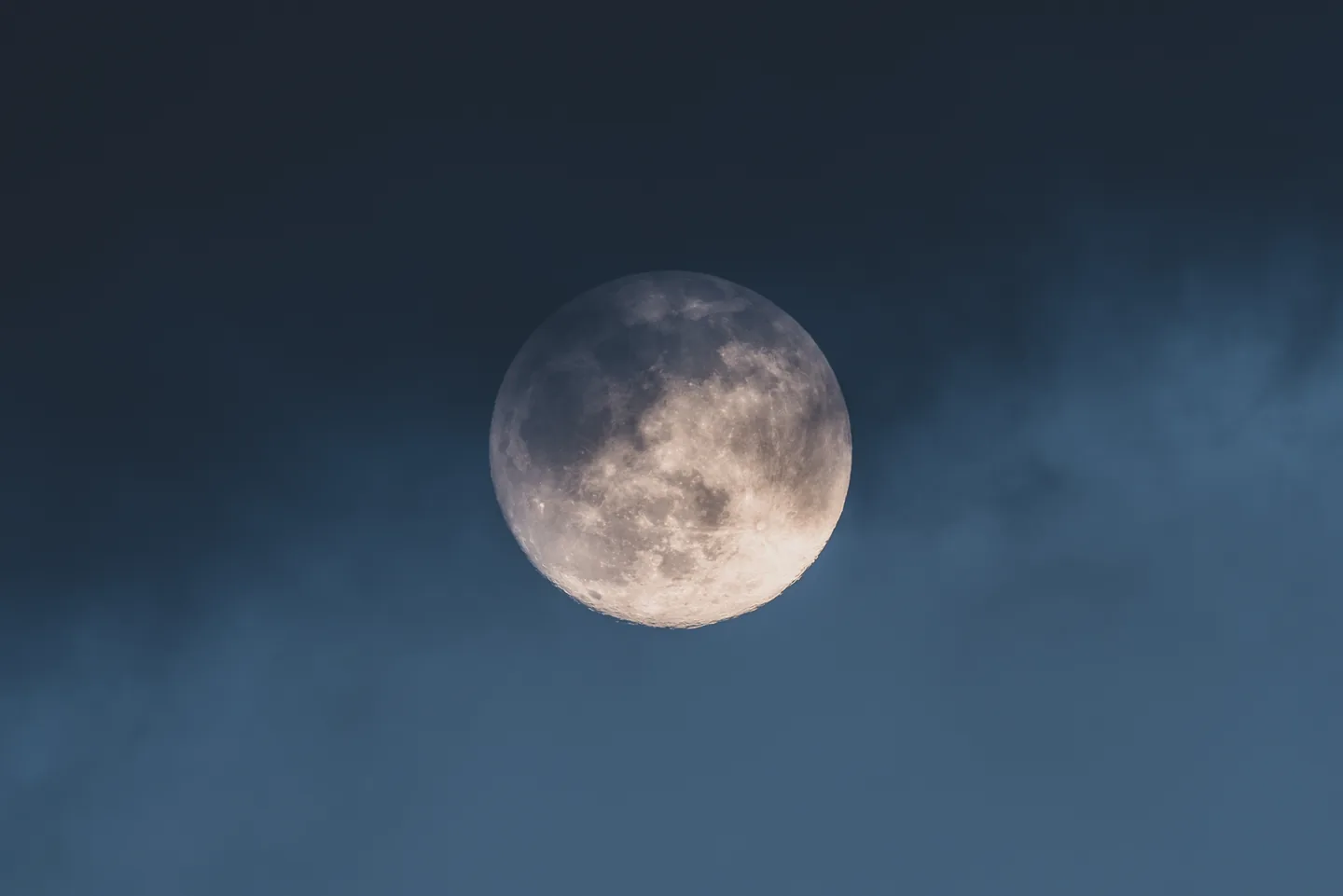
Three things to keep separate
The phase, the date
and your view.
You can look at the same Moon and still need different answers. Choose the phase to understand its shape, the time zone to read a calendar, and the viewing context to interpret a photograph.
- Phase
- How much of the Moon’s sunlit half is visible from Earth. The cycle continues whether or not the Moon is above your horizon.
- Date & time
- One phase event can fall on different local dates. Use the time zone on your calendar when comparing times.
- Orientation
- The same phase can appear rotated from another location. Left or right alone is not a universal waxing rule.
Background: NASA’s Moon phases guide (opens in a new tab) and Moon viewing questions (opens in a new tab). The full guides below explain the details and link their original sources.
01 / Follow the cycle
A shape. A date. A point of view.
Start with what the light means. Then choose the right clock and orientation for your observation.
- Why does the Moon change shape?
Follow the eight phases and understand waxing and waning.
- Why does moonrise change each day?
Separate the average delay from local rise times and calendar dates.
- What does “lunar day” actually count?
Separate elapsed age, cycle days and traditional calendar conventions.
- Why does it look different elsewhere?
Compare hemispheres, viewing angles, local dates and seasons.
02 / Read the names
A calendar full of stories.
A phase describes illumination. A name may describe a season, a calendar rule or a particular cultural tradition. Start with which kind of name you have seen.
- Wolf, Strawberry, Harvest: which Moon is which?
Explore familiar monthly names and why their seasonal context matters.
- Does a Blue Moon have to be blue?
Understand the two calendar definitions behind the familiar phrase.
- Can individual lunar nights have names?
Discover selected Māori maramataka examples and their local context.
03 / Look a little closer
Something caught your eye.
Choose what you noticed, then explore the explanation. A daytime Moon, a faint glow and a large-looking Moon are different questions.
- Why is the Moon out during the day?
Use its phase as a clue to morning or afternoon viewing.
- What lights the faint part of a crescent?
Trace sunlight from Earth to the Moon and back to an observer.
- Why does the Moon look so big near the horizon?
Compare equal-size discs and try a careful photography check.
- Why does the Moon look orange or red?
Trace two light paths and explore a real distorted moonset sequence.
- What makes a supermoon “super”?
Look at orbital distance and actual changes in apparent size.
- Why does a Blood Moon turn red?
Understand Earth’s shadow and the light that reaches an eclipsed Moon.
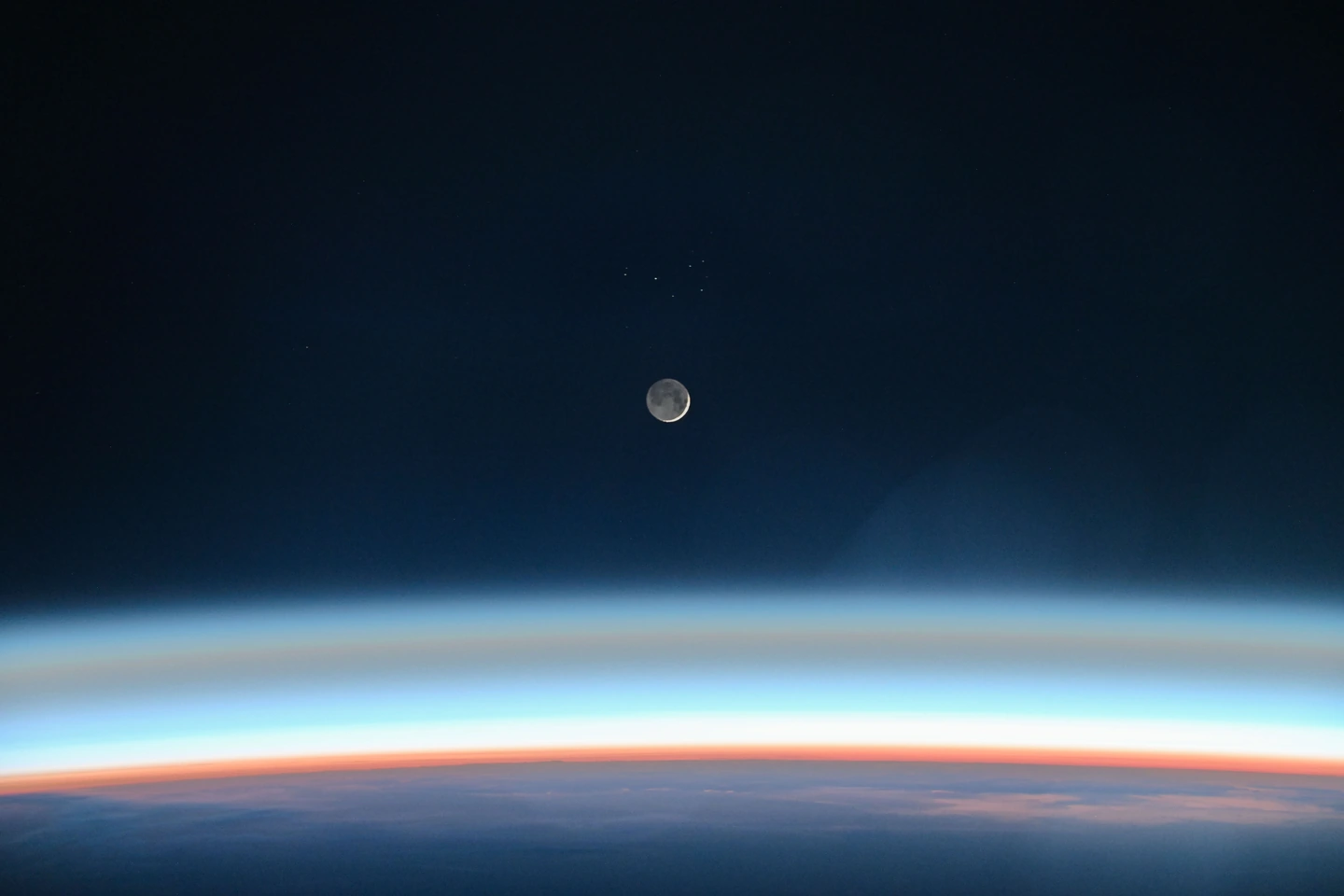 Open figure at full size ↗
Try one observation
Notice the shape.
Keep the context.
- Check the phase and date in your time zone.
- If the Moon is visible, note the time, viewing direction and sky conditions.
- Compare your observation with an explanation above.
A phase calendar describes the cycle. It does not tell you whether clouds or your local horizon will allow a view.
Open the phase calendarA different kind of question
Curious about sleep or mood?
Explore these separately from the astronomy. Our evidence guides explain what was studied and the limits of the findings.
- Full Moon and sleep
Compare the studies, their limitations and useful diary context.
- Moon and mood
Read the evidence before interpreting a personal pattern.
Your next observation
Make the Moon part of your daily perspective.
Follow the lunar cycle and keep separate energy, mood and sleep-quality records. Explore available full-Moon comparisons in You when enough suitable history exists; no clear difference is a valid result.
iPhone app coming soon · history and personal comparisons live in the app.